Stepping into a Hibachi Restaurant recently was a deviation from my usual dining habits. Living by the motto of “I can cook this better,” I rarely venture into Japanese restaurants in the States. However, curiosity got the better of me, and what unfolded can only be described as a culinary and cultural adventure. To say I was shocked is an understatement. In the 12 or so years since I’ve been in the States, I didn’t expect to encounter the nostalgic feeling of cultural shock again. Join me as I unravel the unexpected layers of my first Hibachi experience.
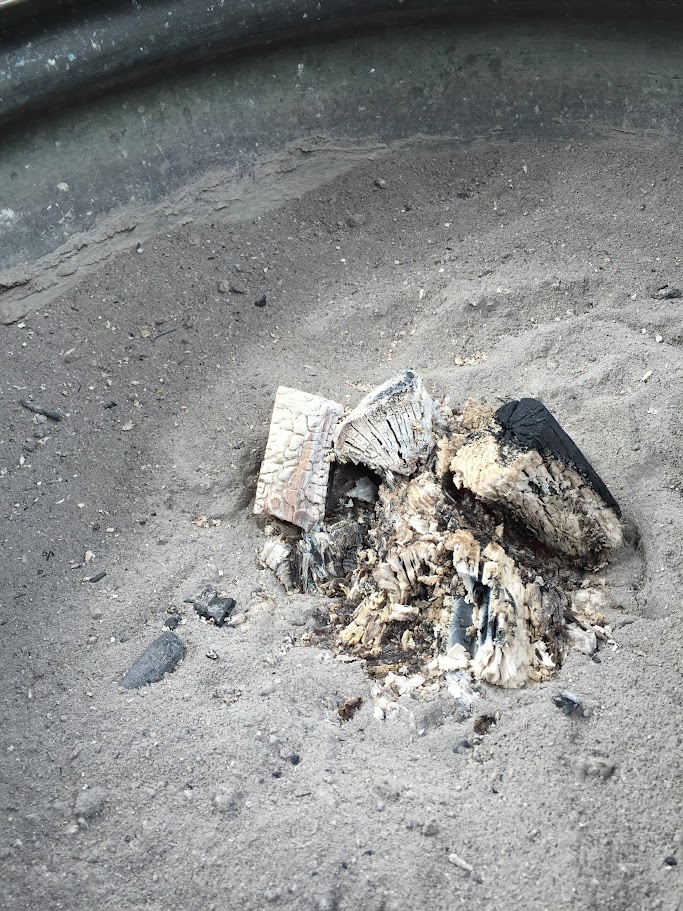
I’ve always found the naming of these restaurants, Hibachi, to be rather peculiar. In Japanese, the word “Hibachi” refers to a traditional heating device—a large fireproof bowl designed for burning charcoal. Filled with ash, the charcoal sits in the center, providing ambient warmth. Though its roots trace back to the Heian period, you barely encounter these traditional devices in modern Japan. Interestingly, this historical heating apparatus has absolutely nothing to do with the stainless steel cooktops you find in Hibachi restaurants. We do, however, have similar flat metal cooktop restaurants in Japan, and we’ll delve into that in just a moment.

While the term Hibachi has made its mark in the United States, in Japan, a similar dining experience is known as Teppanyaki. Unlike Hibachi, Teppanyaki in Japan refers to a cooking method rather than a style of restaurant. The term “Teppanyaki” translates to “cooked on a metal plate,” and it involves preparing dishes like okonomiyaki, yakisoba, and monjayaki using a teppan. Depending on the restaurant, an employee might mix up and prepare your dish for you, or they give you the reins and you cook it yourself.

Teppanyaki dishes, as outlined above, highlight the communal eating experience of Japan. Okonomiyaki and monjayaki in particular, the food is cut and divided among the people and eaten straight off the cooktop unlike in Hibachi restaurants, where my food was cooked on the plate, but transferred onto my plate.
Traditional teppanyaki went through its own evolution in Japan, with the inclusion of Western-style foods being cooked on the cooktop. In essence, a teppanyaki steakhouse is a dining establishment that adopts the Teppanyaki cooking method, where employees prepare and cook food on a hot metal plate, or teppan, right in front of diners. However, unlike the traditional Teppanyaki experience, which encompasses a variety of Japanese dishes like the okonomiyaki, a teppanyaki steakhouse often focuses on grilling high-quality steaks, shrimp, and other premium ingredients. This is where you can finally find the similarities between Japanese teppanyaki and the American hibachi experience.

Now, what happened in the United States? I believe that the Teppanyaki steakhouse concept was taken and spread to the United States. Benihana, the restaurant chain, comes to mind when thinking about hibachi and its popularity in the United States. I’ve read in the past that it opened its doors in NYC in the 1960s, and it took off like a storm. Since teppanyaki steakhouse, when it first started in Japan, took off with predominantly the foreigners living in or visiting Japan, it makes sense that it was a hit with the people of the United States.
Nowadays, there are plenty more chains of Hibachi restaurants popping up and continuing the emphasis on the chef’s performance. This is where my cultural shock shined. As a child in Japan, I was taught not to play with my food. Tossing foods and shooting sake into people’s mouths felt unauthentic and painted a picture of the dining culture that is completely the opposite of that of Japan. Teppanyaki steakhouses in Japan, which is what I assume is what Hibachi to be a spin-off of, is generally an upscale dining experience. Yes, the chef puts on a small show of his culinary expertise like the expert cutting and searing of your food, but your food isn’t flung around or played with. I was just bewildered at the sight.
Stepping into a Hibachi Restaurant was definitely a culinary detour and an intense feeling of cultural shock. Reflecting on this cultural and culinary clash, I appreciate the diverse dining experiences—from the communal Teppanyaki vibe in Japan to the flamboyant Hibachi show in the States. Although I might not become a regular at my local hibachi joint, there’s something to savor in the stories that unfold around the stainless steel cooktop—whether that’s in a chill Japanese way or the spectacle that is the American hibachi experience. Dare to indulge and discover, one bite at a time!
 Miles from Home
Leave a comment