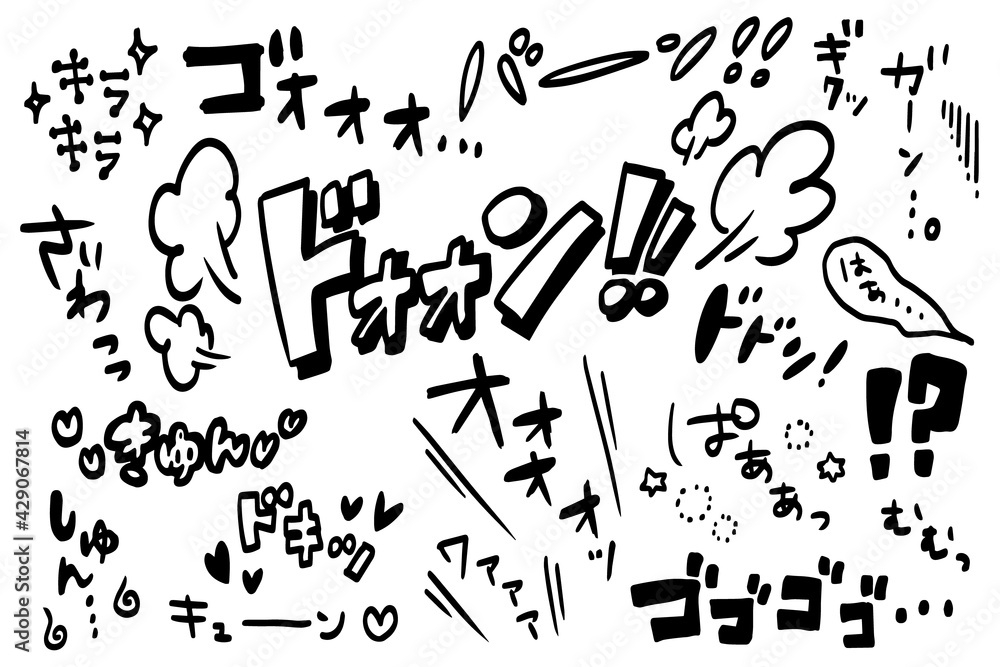
If you’ve spent any time studying Japanese, you’ve probably come across a colorful array of sound words that seem to perfectly capture everything from the rustling of leaves to the fluttering of a heart. These words, known as onomatopoeia, are not only common in everyday conversation but also an essential part of Japanese culture, offering insight into the way people express emotions and experiences.
In this post, we’ll explore the fascinating world of Japanese onomatopoeia and give you tips on how to master these vibrant, descriptive words. It’s one of my favorite things to cover as a Japanese instructor.
What is Onomatopoeia in Japanese?
Onomatopoeia is a linguistic phenomenon where words imitate sounds, but in Japanese, it goes beyond simple sound imitation. Japanese onomatopoeia can be divided into two categories:
- Giseigo (擬声語) also known as Giongo (擬音語): These represent real sounds, such as animal noises or non-living sounds or natural phenomena.
- Example: Wan wan (ワンワン) – the sound of a dog barking.
- Example: Zā zā (ザーザー) – the sound of heavy rain.
- Gitaigo (擬態語): These words describe conditions or states, often abstract feelings or emotions.
- Example: Waku waku (ワクワク) – the feeling of excitement or anticipation.
Why Should You Learn Japanese Onomatopoeia?
Japanese onomatopoeia is everywhere—from casual conversations to manga, anime, and advertising. Mastering these sound words will not only deepen your understanding of the language but also allow you to express yourself in more nuanced, creative ways. As a native speaker and an instructor of Japanese, it’s the use of onomatopoeia like these that propels you forward into the realm of not only linguistic fluency but cultural fluency as well.
For example, instead of saying, “I’m excited,” you can say, “Waku waku shiteru!” (ワクワクしてる), which captures the bubbling, giddy feeling of excitement more playfully. You sound significantly more natural in the language.
Common Onomatopoeia in Everyday Life
Here are some common examples of onomatopoeia that you’ll likely encounter in daily life:
- ガラガラ (gara gara) – The sound of something rattling or a place that is very empty.
- Ex: ドアをガラガラあけた。
- Doa wo garagara aketa.
- Meaning: I opened the door with a rattle.
- Ex: しょくどうは ガラガラだった。
- Shokudou wa garagara datta.
- Meaning: The cafeteria was empty.
- Ex: ドアをガラガラあけた。

- ザーザー (zā zā) – The sound of fairly intense rain fall.
- Ex: 雨がザーザーふっていた。
- Ame ga zāzā futteita.
- Meaning: It was pouring rain.
- Ex: 雨がザーザーふっていた。

- ペコペコ (peko peko) – The sound of an empty stomach. It also describes being really hungry.
- Ex: きょうもおなかが ペコペコだ。
- Kyou mo onaka ga pekopeko da.
- I’m really hungry again today.
- Ex: きょうもおなかが ペコペコだ。

- ドキドキ (doki doki) – The sound of a heart beating, usually from excitement or nervousness.
- Ex: こくはくされて、ドキドキした。
- Kokuhaku sarete, dokidoki shita.
- Meaning: I felt nervous/excited when I was confessed to.
- Ex: こくはくされて、ドキドキした。

- キラキラ (kira kira) – The sparkle or twinkle of something bright, like stars or jewels.
- Ex: ほしがキラキラしていた。
- Hoshi ga kirakira shiteita.
- Meaning: The stars were sparkling.
- Ex: ステージでキラキラしていた。
- Sute-ji de kirakira shiteita.
- Meaning: My favorite performer was sparkling on stage.
- Ex: ほしがキラキラしていた。

- ニコニコ (niko niko) – Describes someone smiling cheerfully.
- Ex: おいしいごはんをたべて、ニコニコだった。
- Oishii gohan wo tabete, nikoniko datta.
- Meaning: I ate delicious food and was smiling.
- Ex: おいしいごはんをたべて、ニコニコだった。
How to Use Onomatopoeia in Sentences
To incorporate onomatopoeia into your conversations or writing, you can often use them as adverbs or verbs. Here’s a simple structure:
- Onomatopoeia + suru (to do)
Example: Niko niko suru (ニコニコする) – to smile cheerfully. - Onomatopoeia as a standalone phrase
Example: Doki doki! – “I’m so nervous!” (used on its own, like an exclamation)
Tips for Mastering Japanese Onomatopoeia
- Immerse yourself in authentic materials: Manga, anime, and even commercials are excellent sources for learning how these words are used naturally. Pay attention to how different emotions and actions are conveyed through sound words. If you want a deeper dive into Japanese onomatopoeia, I highly recommend checking out ONOMATOPE: The Fantastic World of Japanese Symbolic Sounds, a book I personally own and find incredibly helpful. It breaks down common onomatopoeia with real-life examples, helping you understand and remember them better.
- Practice using them in conversations: Try sprinkling onomatopoeia into your everyday conversations. You can say things like, “Watashi wa ima doki doki shiteru!” (私は今ドキドキしてる!) to describe how nervous you are before a big event.
- Memorize with visuals: Associating onomatopoeia with images can help. For instance, every time you see twinkling lights, think kira kira. Use flashcards with pictures to make memorization more fun.
- Listen to native speakers: Pay close attention to native speakers, especially in informal settings, as they often use onomatopoeia to describe both everyday actions and emotions. The best place to do this is to put yourself in Japanese circles. If you don’t have one near you, the next best place is to find yourself an anime or a Japanese drama series that utilizes onomatopoeias. I find that Anya in Spy X Family uses quite a bit of onomatopoeia so I’d recommend you start there!
A Fun Way to Boost Your Fluency
Learning Japanese onomatopoeia adds a playful layer to language learning. These words are intuitive and culturally rich, allowing you to express feelings in ways that aren’t always possible with direct translations. So next time you hear the sound of rain, think zā zā, or when your heart races, remember doki doki.
Do you have a favorite Japanese onomatopoeia, or have you come across any that surprised you in manga or anime? Let me know in the comments—I’d love to hear your experiences!
 Miles from Home
Leave a comment